

Conference Room AV Installation France: Buyer’s Guide

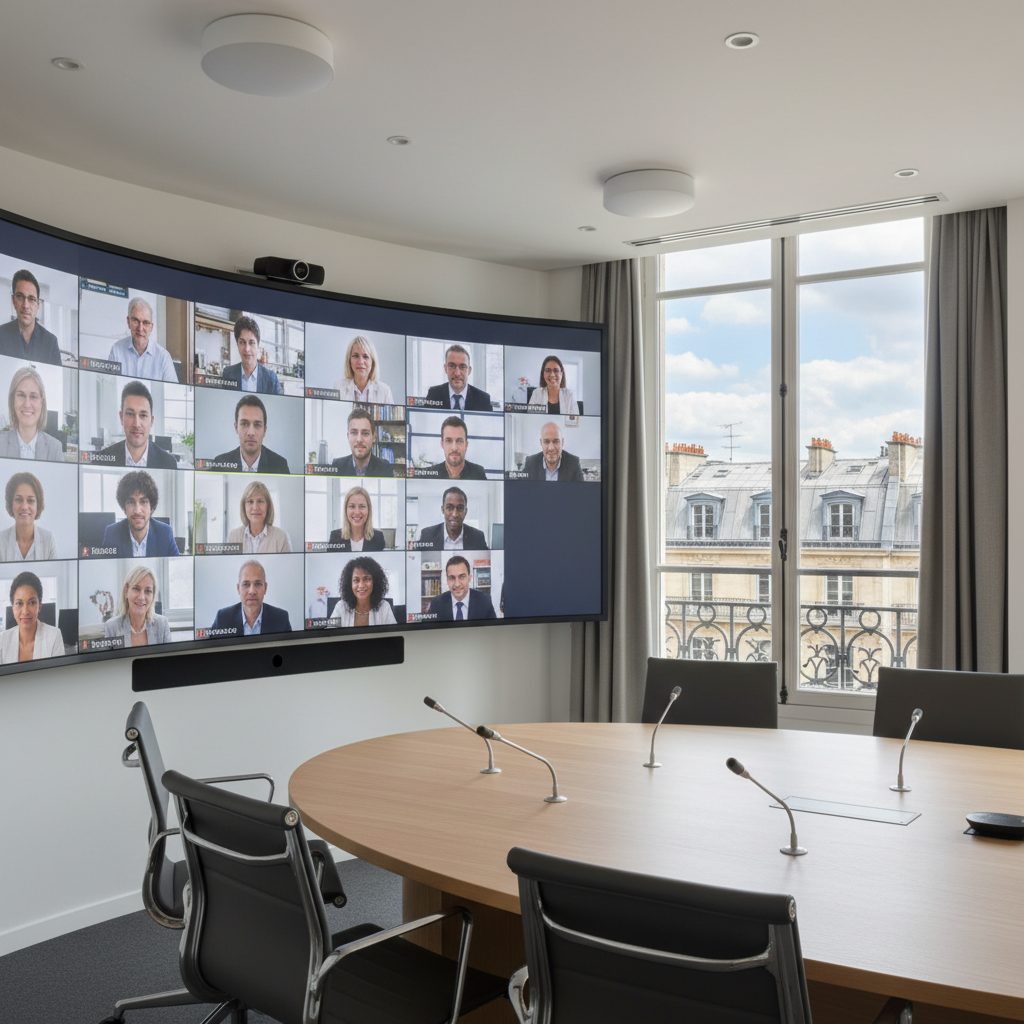
Conference Room AV Installation in France: Your Ultimate Buyer’s Guide
Did you know that the global market for audio-visual (AV) equipment is projected to reach over $100 billion by 2027? Investing in effective conference room AV isn’t just about fancy gadgets; it’s about boosting productivity, fostering collaboration, and making a powerful impression. For businesses operating in France, understanding the nuances of conference room AV installation is crucial. This comprehensive guide will walk you through everything you need to know, from choosing the right technology to finding reputable installers, ensuring your French office is equipped for the future of business communication.
Why Prioritize Conference Room AV in France?
France, a global hub for business and innovation, demands efficient and sophisticated communication tools. Modern conference rooms are no longer just spaces for meetings; they are dynamic environments where ideas are shared, decisions are made, and deals are struck. Outdated or poorly implemented AV systems can cripple productivity, leading to missed opportunities and frustration. Conversely, a well-designed AV setup enhances engagement, streamlines presentations, and facilitates seamless remote collaboration. This is particularly vital in a country with a strong emphasis on professional presentation and international business relations.
Enhancing Collaboration and Productivity
Effective AV solutions break down communication barriers. Imagine a team in Lyon needing to collaborate with colleagues in Paris or international partners. With the right video conferencing and display technology, geographical distances become negligible. Furthermore, intuitive control systems and high-quality audio reduce the time spent troubleshooting technical issues, allowing participants to focus on the meeting’s objectives. Studies consistently show that organizations with advanced AV capabilities report higher levels of team synergy and faster project completion rates. Indeed, a recent survey indicated that 75% of professionals feel that poor AV technology hinders meeting effectiveness.
Making a Professional Impression
First impressions matter immensely in the business world. A state-of-the-art conference room equipped with crisp displays, clear audio, and easy-to-use interfaces signals professionalism and attention to detail. This is especially true when hosting clients or important stakeholders. High-definition video conferencing ensures participants look and sound their best, projecting an image of competence and reliability. Therefore, investing in quality AV is an investment in your company’s brand and reputation.
Key AV Components for Modern French Conference Rooms
Selecting the right AV components is fundamental to achieving your desired outcomes. The specific needs will vary based on room size, usage, and budget, but certain elements are almost universally essential. We’ll explore these critical components, offering insights relevant to the French market.
1. Displays: Visual Clarity is Paramount
From large-format screens to interactive whiteboards, displays are the visual centerpiece of any conference room. The choice depends on the room’s dimensions and the type of content being presented.
- LED/LCD Displays: These are the most common, offering excellent brightness and clarity. For larger rooms, consider professional-grade displays designed for continuous use. Screen sizes typically range from 55 inches to over 90 inches. Resolution is key; aim for at least Full HD (1080p), with 4K (UHD) becoming increasingly standard for sharper detail.
- Projectors and Screens: While less common in newer installations due to the rise of large displays, projectors still offer a cost-effective solution for very large spaces or specific presentation needs. Modern laser projectors offer superior brightness and longevity compared to older lamp-based models.
- Video Walls: For a truly impactful visual experience in large boardrooms or lobbies, video walls composed of multiple smaller displays can create a seamless, large-scale image.
2. Audio Systems: Hear and Be Heard Clearly
Poor audio quality is a common frustration in conference calls. A robust audio system ensures every participant, whether in the room or joining remotely, can communicate effectively.
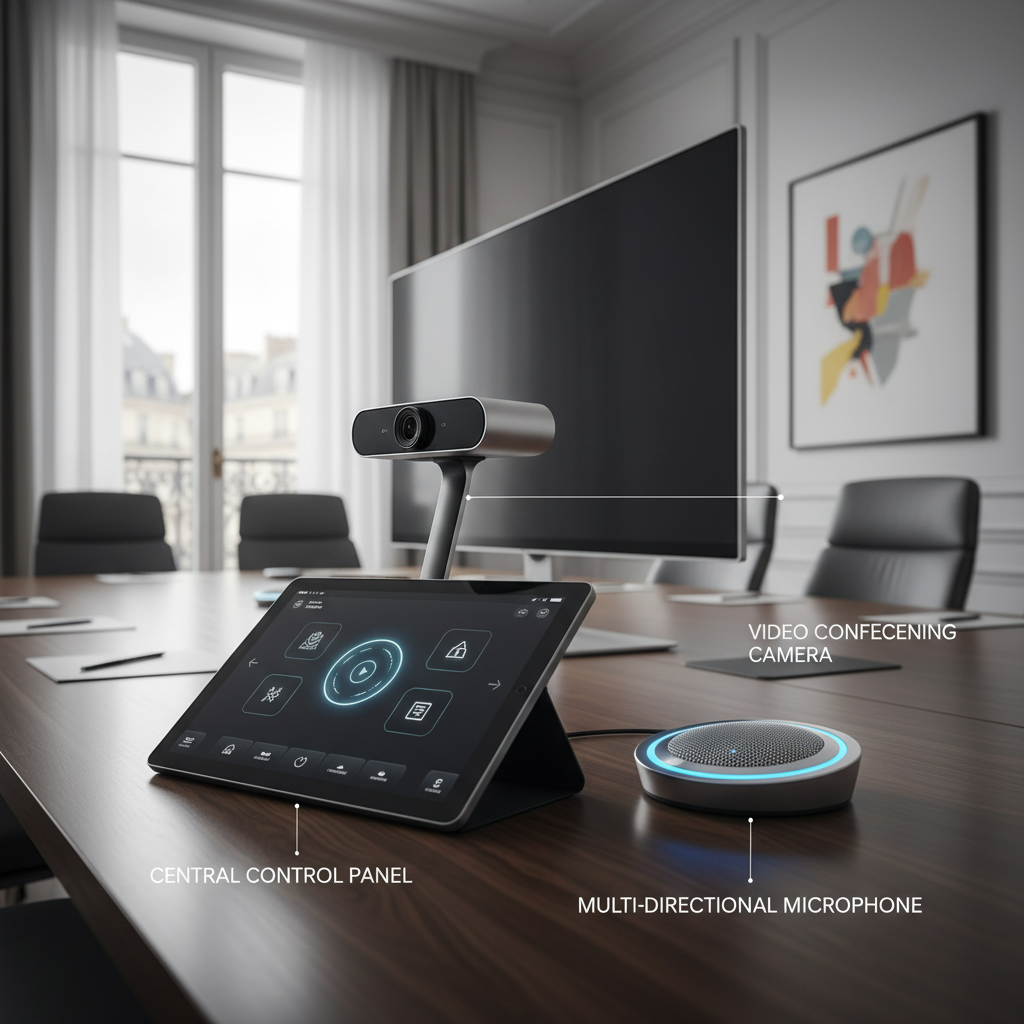
- Microphones: Ceiling microphones, table microphones (gooseneck or boundary), and wireless microphones are available. Directional microphones can help isolate the speaker’s voice and reduce background noise. Acoustic echo cancellation (AEC) is a vital feature for preventing feedback loops during calls.
- Speakers: Integrated soundbars or ceiling-mounted speakers provide clear audio playback. Ensure speakers are appropriately sized and positioned for the room’s acoustics. For larger rooms, multiple speakers might be necessary for even sound distribution.
- Audio Processors/Mixers: These devices manage audio signals, adjust levels, and apply processing like noise reduction and echo cancellation, ensuring optimal sound quality.
3. Video Conferencing Systems: Connecting Beyond Borders
Video conferencing is indispensable for modern businesses. Selecting a system that integrates seamlessly with your existing infrastructure is crucial.
- PTZ Cameras: Pan-Tilt-Zoom cameras offer flexibility, allowing remote control to focus on different speakers or areas of the room. High-definition (1080p or 4K) is standard.
- All-in-One Conferencing Bars: These devices combine cameras, microphones, and speakers into a single unit, ideal for small to medium-sized rooms. They often offer simplified setup and integration with popular platforms like Zoom, Microsoft Teams, and Cisco Webex.
- Codec-Based Systems: For larger or more complex setups, dedicated video conferencing codecs provide advanced features and integration capabilities, often with higher bandwidth requirements and costs.
4. Control Systems: Simplifying Complexity
An intuitive control system ties everything together, allowing users to manage AV equipment effortlessly.
- Touch Panels: Wall-mounted or tabletop touch panels offer a user-friendly interface for controlling displays, audio, video conferencing, and lighting. Brands like Crestron and Extron are industry leaders.
- Wireless Control: Mobile apps or dedicated remotes can also provide control, offering flexibility and convenience.
- Room Scheduling Systems: Integrated room booking panels outside the conference room streamline scheduling and prevent conflicts. Popular systems include Crestron Fusion, AMX, and various third-party solutions.
5. Connectivity and Cabling: The Unsung Heroes
Proper connectivity ensures all components work together reliably. This includes HDMI cables, network cables (Ethernet), audio cables, and power management solutions.
- Cable Management: Professional installation includes neat and organized cable routing to prevent tripping hazards and ensure easy maintenance.
- Signal Extenders: For long cable runs, HDMI or HDBaseT extenders are necessary to maintain signal integrity.
- Wireless Presentation Systems: Devices like Barco ClickShare or Airtame allow users to share content wirelessly from laptops or mobile devices, reducing cable clutter.
Planning Your Conference Room AV Installation in France
Before diving into purchases, meticulous planning is essential. Consider these steps to ensure a successful AV installation tailored to your French business needs.
Assessing Your Needs and Room
- Room Size and Layout: Measure the room dimensions. Note seating arrangements, lighting conditions, and potential acoustic issues (e.g., echo, background noise).
- Primary Use Cases: Will the room be used for internal meetings, client presentations, video conferencing, or a combination? This dictates the required technology.
- Number of Participants: How many people typically use the room? This influences display size, microphone coverage, and speaker output.
- Existing Infrastructure: Assess your current network capacity, power availability, and any existing AV equipment.
Budgeting for AV Installation
AV installation costs can vary significantly. It’s wise to allocate a realistic budget that covers equipment, installation labor, programming, and potential ongoing maintenance.
- Equipment Costs: This is often the largest portion, ranging from a few thousand euros for basic setups to tens of thousands for advanced systems.
- Installation and Programming: Professional installation ensures proper setup and configuration. Programming control systems adds to the cost but is vital for usability.
- Contingency: Always include a buffer (10-15%) for unforeseen issues or upgrades.
According to industry benchmarks, AV systems can represent anywhere from 5% to 15% of a new office build or renovation budget, depending on the complexity and strategic importance of the meeting spaces.
Understanding French Regulations and Standards
While specific AV installation regulations are minimal, ensure compliance with general electrical safety standards (e.g., CE marking for equipment). Furthermore, consider data privacy regulations (like GDPR) if handling sensitive information during video conferences. Working with local, certified installers familiar with French standards is highly recommended.
Get yourself a professional AV installation team for all your events.
Finding the Right AV Installer in France
Choosing a qualified AV integrator is arguably the most critical step. A good installer will not only provide the technology but also design a system that perfectly fits your needs and ensures a smooth, professional setup.
What to Look For in an AV Integrator
- Experience and Expertise: Look for companies with a proven track record in commercial AV installations, ideally with experience in your industry or with similar project scopes.
- Certifications: Certifications from industry bodies like InfoComm International (now AVIXA) or specific manufacturer certifications indicate a high level of technical proficiency.
- Local Presence: A local installer in France can offer faster response times for support and maintenance.
- Portfolio and Testimonials: Review their past projects and client testimonials. Do they have examples of conference rooms similar to what you envision?
- Comprehensive Service: Ensure they offer consultation, design, installation, programming, training, and ongoing support.
The Installation Process Explained
- Consultation and Design: The integrator assesses your needs and designs a tailored AV solution.
- Equipment Procurement: They source the necessary hardware, often leveraging established supplier relationships.
- Installation: Technicians physically install the equipment, run cables, and mount displays.
- Programming and Configuration: Control systems are programmed, and all components are configured to work together.
- Testing and Commissioning: The system is thoroughly tested to ensure everything functions correctly.
- User Training: Your team receives training on how to operate the new AV system.
We offer the best AV installation professionals within France.
Cost Considerations for Installation Services
Installation costs typically range from €500 to €5,000+ per room, depending on the complexity of the system and the hours required. Factors influencing this include:
- The number and type of devices installed.
- The complexity of cable runs and wall penetrations.
- The extent of control system programming required.
- The installer’s hourly rates and overheads.
It is always advisable to obtain detailed quotes from multiple reputable installers.
Maintaining Your Conference Room AV System
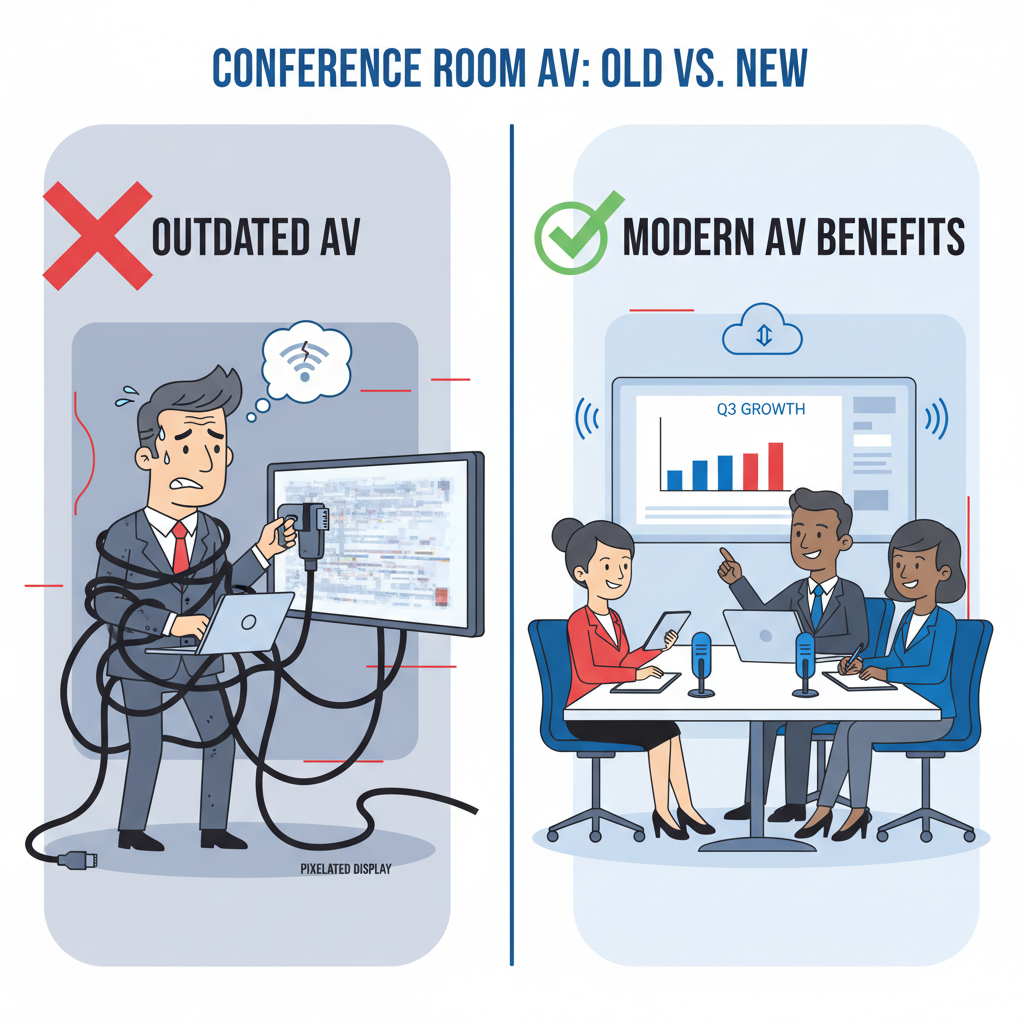
Even the best AV installation requires ongoing maintenance to ensure optimal performance and longevity. Proactive maintenance can prevent costly downtime and extend the lifespan of your equipment.
Regular Checks and Cleaning
- Visual Inspection: Periodically check all displays for dead pixels or image issues. Ensure cables are securely connected.
- Audio Tests: Test microphones and speakers to confirm clear sound output.
- Cleaning: Dust can accumulate on lenses, vents, and screens. Use appropriate cleaning materials (microfiber cloths, specialized screen cleaners) to keep equipment clean and functioning optimally.
Software Updates and Firmware
Many AV components, especially video conferencing systems and control processors, require regular software updates. Ensure these are applied promptly to benefit from new features, security patches, and performance improvements. Your AV integrator can often manage this remotely or as part of a maintenance contract.
Professional Maintenance Contracts
For critical conference rooms, consider a professional maintenance contract with your AV installer. These contracts often include:
- Scheduled preventative maintenance visits.
- Priority support and rapid response times.
- Remote system monitoring.
- Discounted rates for repairs or upgrades.
This proactive approach ensures your AV systems remain reliable and up-to-date, minimizing disruptions to your business operations in France.
Future Trends in Conference Room AV
The AV landscape is constantly evolving. Staying abreast of emerging trends can help you make informed decisions for future upgrades or new installations.
AI and Automation
Artificial intelligence is increasingly being integrated into AV systems. This includes features like automatic camera tracking of speakers, intelligent noise suppression, and voice-controlled commands. Automation simplifies operation and enhances the user experience.
If you are not an AI professional, get real AV installation professionals who can always make themselves available a good running of your events.
Enhanced Collaboration Tools
Expect more sophisticated tools for real-time collaboration, such as advanced digital whiteboarding, seamless integration with cloud-based productivity suites, and immersive telepresence solutions.
Increased Focus on User Experience (UX)
AV manufacturers and integrators are prioritizing intuitive interfaces and simplified workflows. The goal is to make complex technology accessible and easy for anyone to use, regardless of their technical expertise.
Sustainability and Energy Efficiency
There is a growing demand for energy-efficient AV equipment. Look for products with low power consumption and long lifespans to reduce both environmental impact and operational costs.
Conclusion
Implementing effective conference room AV installation in France is a strategic investment that yields significant returns in productivity, collaboration, and professional image. By carefully planning your needs, selecting the right components, and partnering with a reputable AV integrator, you can create meeting spaces that are not only functional but also future-proof. Remember that ongoing maintenance and awareness of emerging trends will ensure your AV systems continue to serve your business effectively for years to come. For businesses looking to upgrade their meeting spaces, exploring the latest AV solutions available can provide a competitive edge. You can find a wide range of AV equipment and solutions at AV Gear Experts Shop.
Frequently Asked Questions (FAQs)
1. How much does conference room AV installation typically cost in France?
Costs vary widely, from €1,500 for a basic setup in a small room to over €20,000 for a large, high-tech boardroom. Factors include equipment quality, room size, complexity, and installation labor. Always get detailed quotes.
2. What is the most crucial component of a conference room AV system?
While all components are important, audio quality is often cited as the most critical. Poor sound makes communication impossible, rendering other AV elements less effective. Clear microphones and speakers are paramount.
3. Do I need a professional installer for AV setup?
For optimal results, yes. Professionals ensure proper design, integration, programming, and troubleshooting, which is crucial for complex systems. DIY installations often lead to performance issues and higher long-term costs.
4. How long does a typical AV installation take?
Installation for a single conference room can range from 1 to 5 days, depending on the system’s complexity, room readiness, and the installer’s schedule. Larger projects will naturally take longer.
5. What are the benefits of wireless presentation systems?
Wireless systems eliminate cable clutter, allowing users to share content from laptops or mobile devices quickly and easily. This significantly speeds up meeting starts and improves the overall user experience.
6. Should I consider interactive displays for my conference room?
Interactive displays, or smart boards, enhance collaboration by allowing real-time annotation, drawing, and content manipulation. They are excellent for brainstorming sessions and training environments, boosting engagement significantly.